Before an importer asks about price, packaging or lead time, there's usually one question that comes first: "What's the HS code?" If a supplier can't answer that cleanly, it's often the first sign the rest of the paperwork might be shaky too.
What an HS code actually is
HS stands for Harmonized System - a standardized numerical classification for traded goods, maintained by the World Customs Organization and used by virtually every country's customs authority. Every product that crosses a border gets classified under it, and that classification determines the duty rate, any import restrictions, and how customs systems process the shipment on arrival.
The first six digits of an HS code for frozen food exports are identical worldwide - a frozen pea is classified the same way whether it's landing in Rotterdam or Dubai. Countries then add their own digits beyond that (often to 8 or 10 digits total) for more specific duty and statistical purposes, which is where things start to vary by destination.
Why importers ask for it first
An importer isn't asking out of habit. The HS code tells them, before anything else:
What duty rate they'll pay on arrival
Whether the product needs any additional import permit or inspection
Whether it falls under any quota or restriction in their country
How to prepare their own customs entry correctly
If a supplier hesitates on this question or gives a code that doesn't match the product description on the invoice, it usually means one of two things: either they haven't shipped that exact product internationally before or their paperwork isn't as tight as it should be. Neither is a great sign to an importer who's about to wire a deposit.
Where frozen food classification gets confusing
The Harmonized System groups goods into chapters, and frozen food generally falls into a few predictable ones at the heading level:
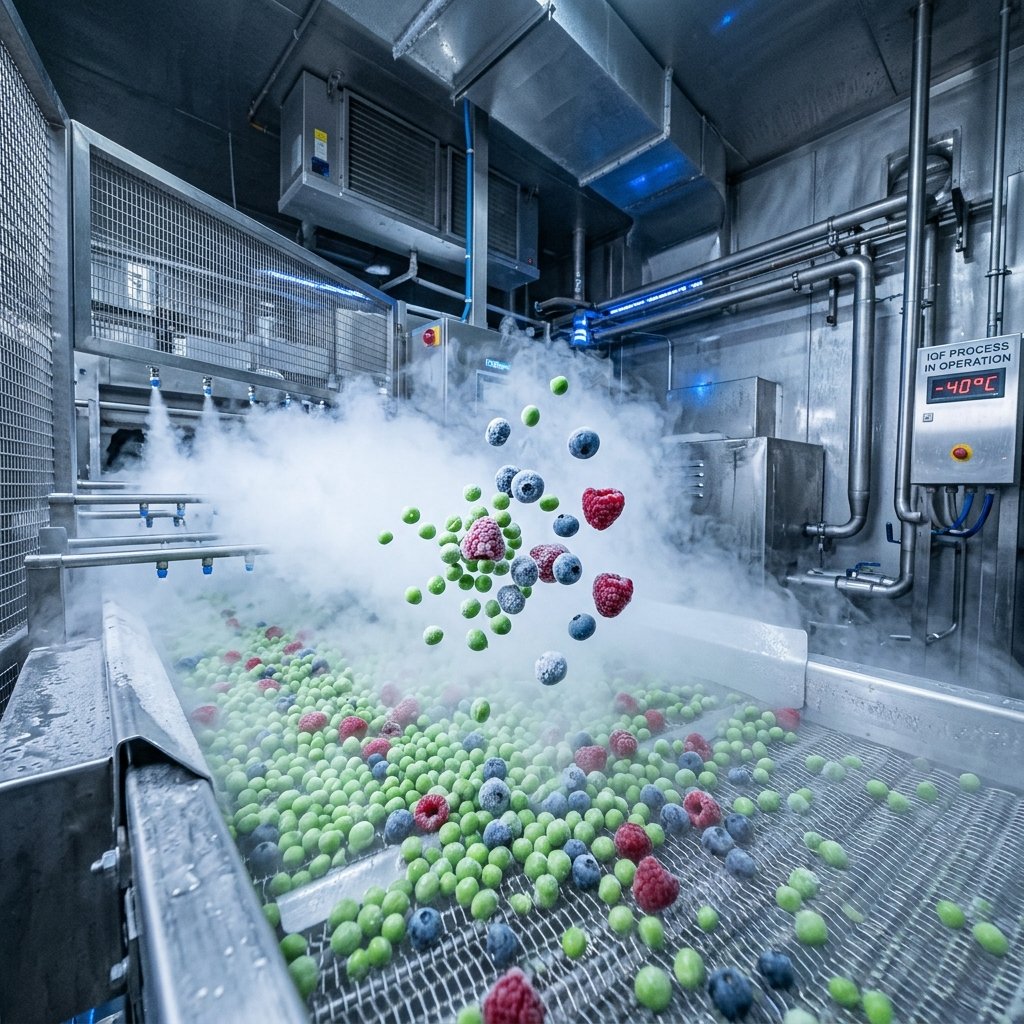
Chapter 07 (Edible vegetables) - frozen vegetables typically fall under heading 07.10, "Vegetables (uncooked or cooked by steaming or boiling in water), frozen." This is where IQF peas, corn, broccoli, and mixed vegetable blends usually sit.
Chapter 02 (Meat and edible meat offal) - frozen poultry falls under heading 02.07; frozen mutton or goat meat under 02.04.
Chapter 08 (Edible fruit and nuts) or Chapter 20 (Preparations of vegetables, fruit, nuts) - this is where fruit pulp classification gets genuinely tricky, since a frozen fruit pulp intended for further processing can sometimes be classified differently than fresh-frozen fruit pieces, depending on how it's been prepared. This is exactly the kind of product where a supplier who's vague about the code should raise a flag.
These are heading-level facts, standardized internationally - useful for understanding roughly where a product sits but not a substitute for confirming the exact code (and applicable duty) with your own customs broker for your specific destination country. Classification can also depend on details like processing method and packaging, which is where two shipments of what looks like "the same product" can technically sit under different codes.
What happens when the code is wrong
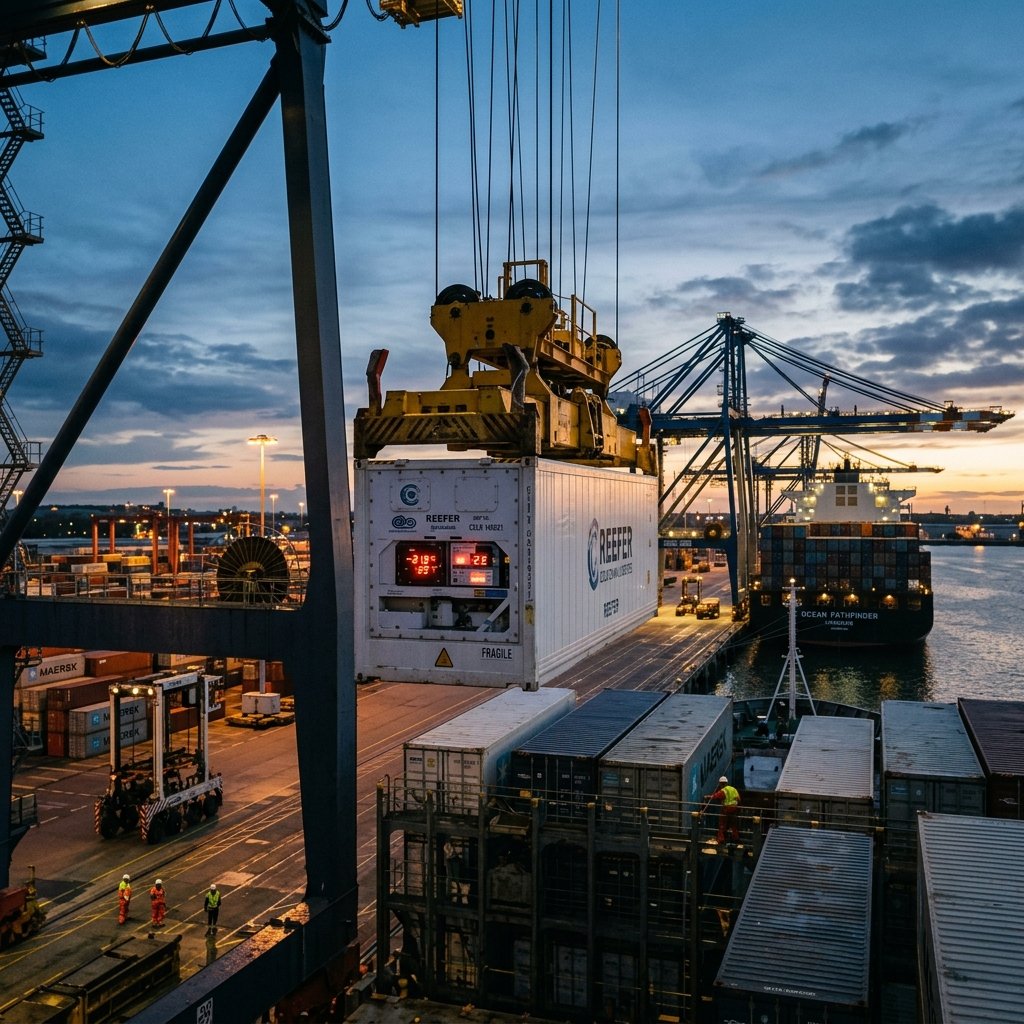
At best, an incorrect HS code causes a delay while customs re-classifies the shipment and recalculates duty. At worst, in some jurisdictions, it can trigger a penalty, a hold on the container or a flag on future shipments from the same exporter. For a perishable, temperature-sensitive product sitting in a reefer container, a classification delay isn't just paperwork friction - it's lost shelf life while the clock runs on the cold chain.
What we do about it
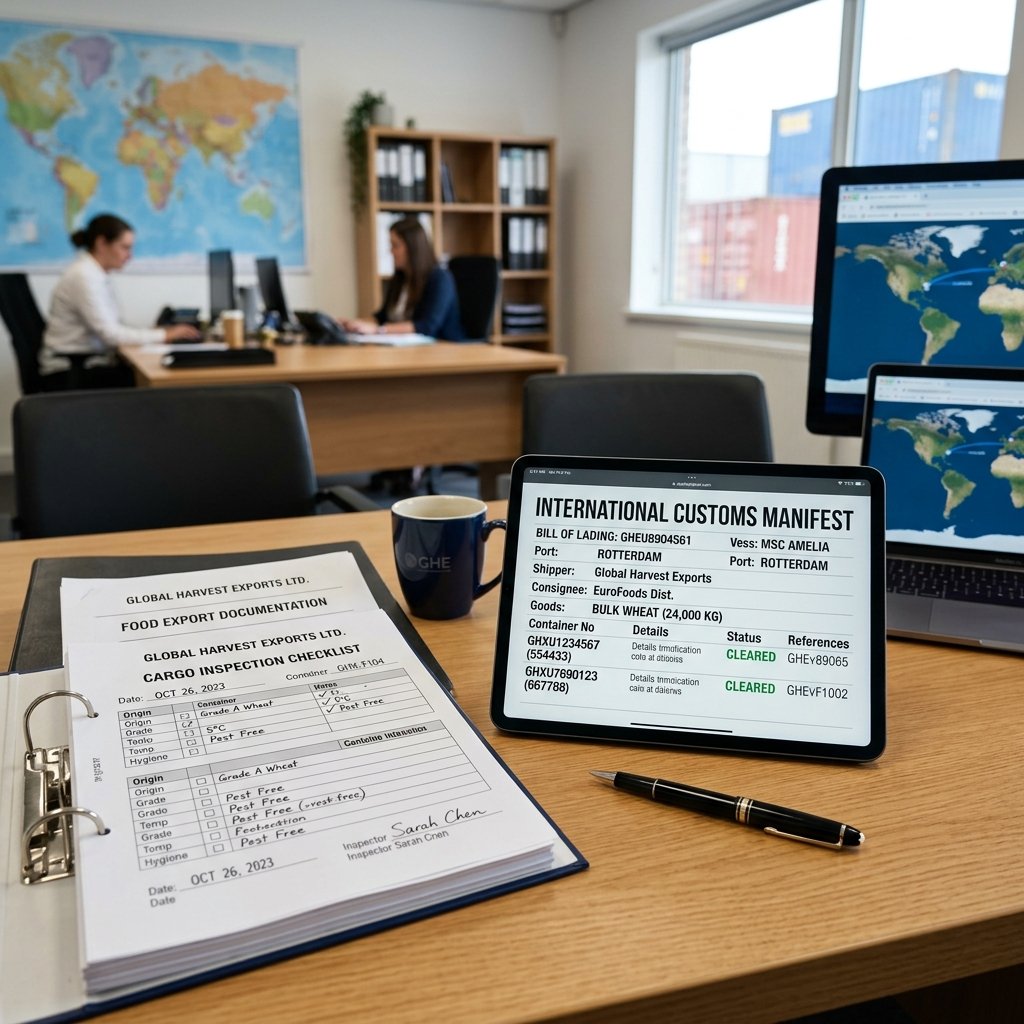
Every shipment leaving Freskato goes out with the HS code already confirmed and printed on the commercial invoice and packing list - not filled in as an afterthought once the container's already at the port. It's a small detail but it's usually the first thing that tells an importer whether a new supplier actually knows what they're doing.
If you're sourcing frozen vegetables, meat or fruit pulp and want to see how we document a shipment before you commit to an order, request a quote and we'll walk you through it.